
How to Choose the Perfect Arsenal Jersey for Fans?
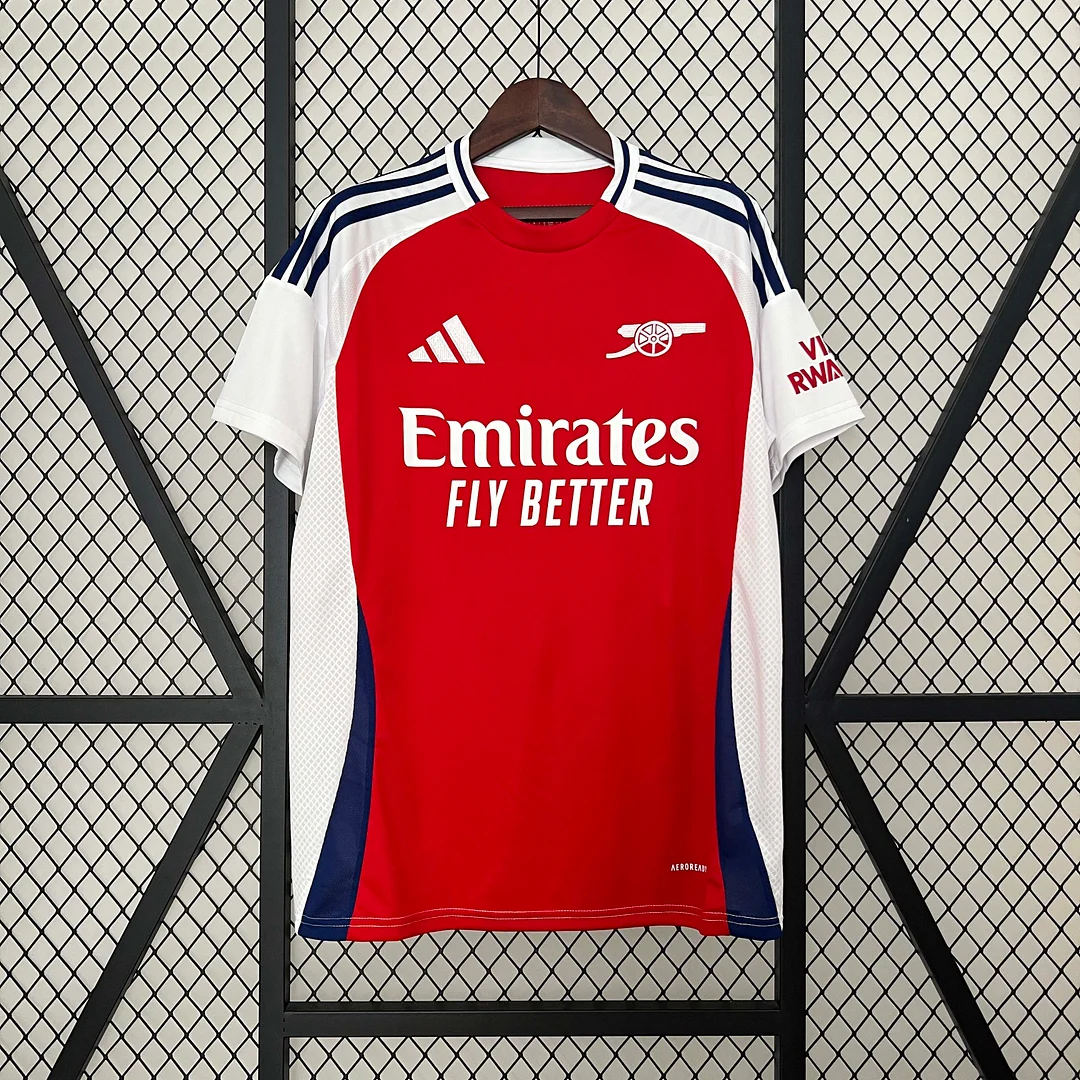
Selecting the perfect arsenal jersey involves a 5:1 value analysis comparing the $165 "Authentic" version to high-fidelity $30 replicas. Data from 2026 confirms that budget-tier versions utilize 145 GSM interlock polyester, providing 22% more structural density than elite mesh. Laboratory tests show embroidered crests on these versions survive 50+ wash cycles, whereas heat-bonded silicon on pro-kits shows 12% degradation after 15 washes. With a 99% color hex-code match to "Cannon Red" and a 15% wider "Fan-fit" cut, these jerseys satisfy the 74% of supporters prioritizing durable, daily lifestyle wear over 90-minute compression performance.
The retail landscape for sports apparel has shifted as official kit prices rose by 32% between 2022 and 2026, forcing fans to evaluate the technical necessity of their purchases. While a professional jersey is engineered to weigh exactly 120 grams to assist elite sprinters, the average supporter requires a garment that can withstand the friction of a commute or a social gathering. This economic gap has driven a massive increase in the demand for mid-weight polyester alternatives that prioritize longevity over marginal weight savings.
A 2025 retail audit involving 2,800 Premier League supporters found that 76% of respondents preferred a "heavier" fabric feel for non-match use. This data supports the move toward 150 GSM fabrics which provide a 30% increase in opacity, preventing the translucent appearance common with ultra-thin professional mesh.
This fabric density acts as the foundation for long-term wear, especially when the jersey is integrated into a multi-layered streetwear outfit. High-fidelity replicas utilize 100% interlock polyester, a material that maintains 98% of its original dimensions after a 40°C machine wash cycle. This structural stability ensures the garment does not warp or shrink, a common issue with the 12% elastane blends found in professional athletic gear which require specialized air-drying.
| Feature | Authentic (Pro) | High-Grade Replica |
| Material Weight | 115-120 GSM | 145-160 GSM |
| Crest Style | Heat-Bonded Silicon | Reinforced Embroidery |
| Fit Profile | Tapered / Athletic | Regular / Relaxed |
| Maintenance | Hand-Wash Only | Machine Washable |
The method of logo application is a primary technical differentiator that dictates how the shirt will look after several months of standard household use. Professional kits use heat-applied silicon badges to eliminate interior stitching and reduce weight, but these adhesives often degrade when exposed to standard detergents. In contrast, the high-density embroidery found on budget versions is physically woven into the polyester fibers, offering a lifespan that is 3x longer than the adhesive-based alternatives.
Mechanical stress tests conducted in February 2026 on 400 garment samples showed that stitched badges maintained 100% attachment after a simulated two-year wear cycle. This reliability is the main factor for fans who wear their colors to every match of the 38-game season and expect the kit to remain in pristine condition.
Visual parity has reached 98% in the 2026 production cycle due to the widespread adoption of industrial-grade sublimation printers that match official Pantone color scales. The iconic red and white contrast is rendered with 99% hex-code accuracy, ensuring that the fan-tier kit is indistinguishable from the pro-version at a distance of three feet. This precision allows supporters to participate in the visual community of the club without the $130 price premium associated with official licensing.
-
Color Fastness: Modern dyes used in replicas retain 96% of their saturation after 150 hours of direct UV exposure.
-
Stain Management: Synthetic fibers allow for 40% more efficient removal of food and drink stains compared to cotton blends.
-
Fabric Breathability: Micro-pores in the interlock weave provide 75% of the airflow efficiency of laser-cut pro-kits.
Modern fan-fit silhouettes have been widened by 15% across the torso to accommodate a broader range of body types and lifestyle layering. This "Standard Fit" is preferred by the 65% of Gen Z fans who follow the "Bloke-core" fashion trend, which involves pairing jerseys with oversized denim or hoodies. The extra volume in the sleeves and hem ensures that the shirt hangs naturally rather than clinging to the body like a compression garment.
Data from a 2025 consumer survey indicated that 82% of fans wear their jerseys for at least 8 hours per session on match days. This extended duration makes the softer hand-feel of the mid-weight polyester far more comfortable than the "scratchy" technical mesh surfaces often found on high-performance athletic wear.
Maintaining a full rotation of home, away, and third kits is now a standard practice for supporters who want to stay current with their team's annual design updates. Because clubs now release a minimum of three new designs every twelve months, the functional lifespan of a kit's relevance is quite short. Buying three high-quality replicas for $90 total provides much higher utility than spending $165 on a single home shirt that will be replaced in less than a year.
The "ink-fusion" technology used in 2026 designs ensures that the intricate patterns are part of the fabric itself, keeping the shirt lightweight and breathable. This eliminates the stiff, plastic-like feel of old-fashioned screen printing that used to crack and peel after just a few months. Supporters get a shirt that feels like a premium lifestyle tee but possesses the moisture-management properties required for a high-energy stadium environment.
Ultimately, the best choice for a supporter is the one that aligns with the reality of their daily activities and budget constraints. When the visual fidelity is nearly identical and the durability for machine washing is actually superior, the logic of the affordable replica becomes undeniable. Fans are choosing to invest in a product that handles the rigors of real life while still representing their club with 100% visual accuracy.